
Article-at-a-Glance
Smart irrigation systems optimize water usage, reducing waste and enhancing crop yields.
Precision agriculture tools like moisture sensors and GPS-enabled machines improve efficiency.
Combining these technologies leads to sustainable farming practices and increased profitability.
Challenges include high initial costs and the need for farmer training and support.
The future of agriculture lies in the integration of digital tools for better resource management.
Efficient farming practices are more crucial today than ever. The integration of smart irrigation systems with precision agriculture tools is revolutionizing soybean cultivation. This combination not only optimizes water use but also enhances crop yields and reduces environmental impact.
Transforming Soybean Cultivation with Smart Irrigation and Precision Agriculture
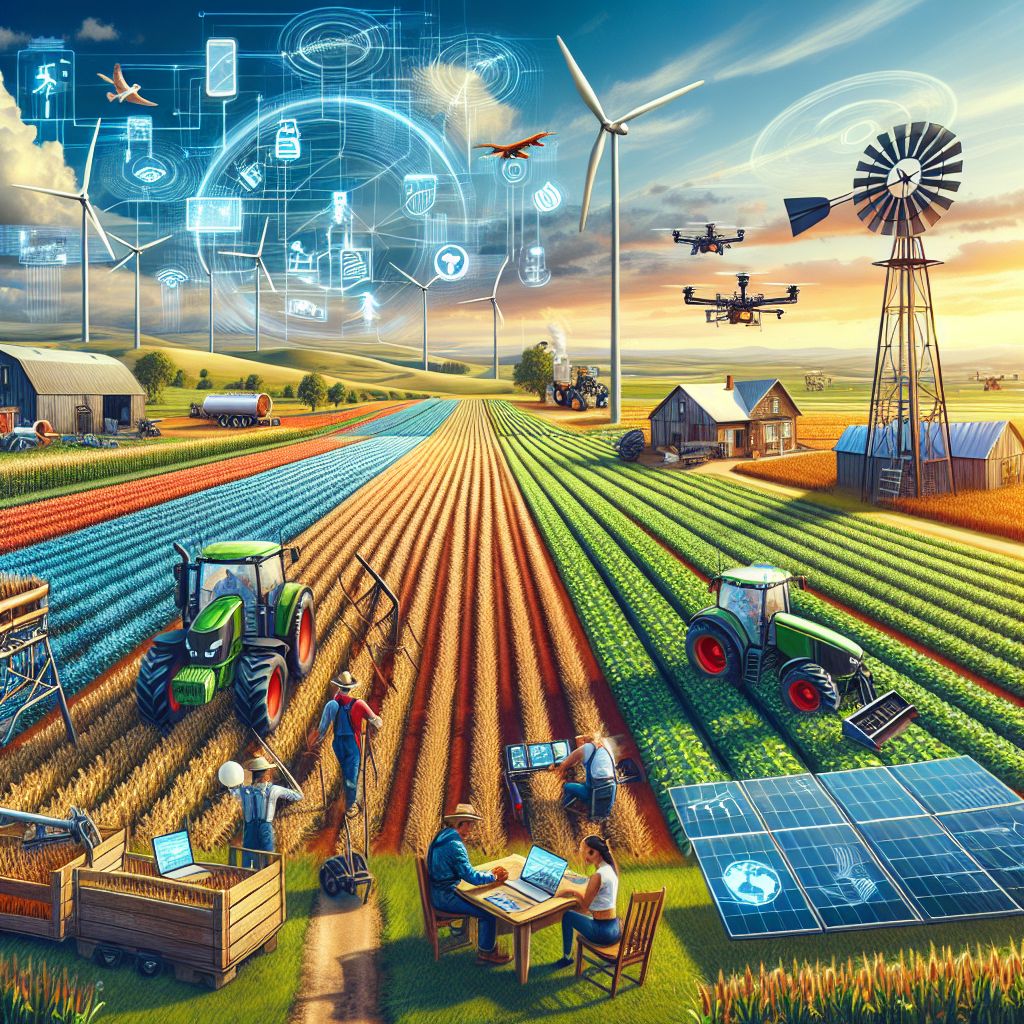
Cost and quality dictate that every drop of water counts for every seed planted to be nurtured to its full potential. This is achievable through the integration of smart irrigation systems and precision agriculture. By utilizing advanced technologies, farmers can monitor and manage their resources with unprecedented accuracy and efficiency.
Smart irrigation systems are designed to deliver the right amount of water at the right time, ensuring that crops receive optimal hydration without wastage. When combined with precision agriculture tools, such as moisture sensors and GPS-enabled machines, these systems provide a comprehensive solution for modern farming challenges.
“Precision agriculture is not just about technology; it’s about making informed decisions that lead to better farming outcomes.”
Smart Irrigation Benefits for Soybean Farming
Smart irrigation systems offer numerous benefits for soybean farming. They help conserve water by using sensors to determine the precise amount needed by the crops. This not only reduces water waste but also lowers the cost of irrigation.
Moreover, these systems can be programmed to irrigate at specific times, ensuring that plants receive water when they need it most. This leads to healthier crops and, ultimately, higher yields. By reducing the amount of water used, smart irrigation also minimizes the risk of overwatering, which can lead to root rot and other plant diseases.
Efficient Water Management Practices
Water management is a critical aspect of successful farming. Smart irrigation systems allow farmers to monitor soil moisture levels in real-time, making it possible to adjust watering schedules based on actual needs rather than estimates. This precision ensures that water is used efficiently and sustainably.
Increasing Yield and Reducing Waste
By integrating smart irrigation with precision agriculture tools, farmers can increase their yields while reducing waste. These technologies provide valuable data that can be used to make informed decisions about planting, watering, and harvesting. This data-driven approach leads to more efficient use of resources and higher profitability.
Monitor soil moisture levels with sensors.
Use GPS technology to optimize planting patterns.
Automate irrigation schedules based on weather forecasts.
Precision Agriculture Tools and Technologies Used in Soybean Cultivation
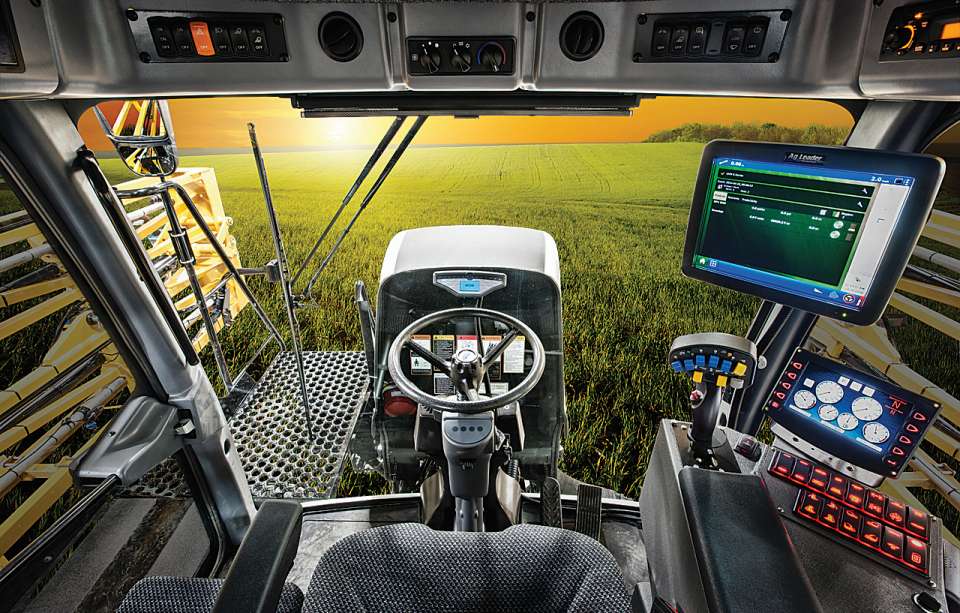
“Technologies In Precision Agriculture …” from www.globalagtechinitiative.com
Precision agriculture involves the use of various technologies to improve farming efficiency. These tools provide detailed information about the soil, weather, and crop conditions, allowing farmers to make better decisions about resource allocation.
Some of the most commonly used precision agriculture tools include moisture sensors, GPS-enabled machines, and drones. Each of these technologies plays a unique role in enhancing the efficiency and sustainability of soybean farming.
Moisture Sensors and Their Role in Precision Farming
Moisture sensors are an essential component of precision agriculture. They measure the amount of water in the soil, providing real-time data that can be used to optimize irrigation schedules. This ensures that crops receive the right amount of water at the right time, leading to healthier plants and higher yields.
Integration of GPS-Enabled Machines
GPS-enabled machines are revolutionizing the way farmers plant and harvest their crops. These machines use satellite data to guide their movements, ensuring precise planting patterns and efficient use of resources. This technology reduces waste and increases productivity, making it an invaluable tool for modern farming.
Besides that, GPS technology can also be used to monitor crop growth and identify areas that may need additional attention. This allows farmers to address issues before they become major problems, further enhancing the efficiency and sustainability of their operations.
Therefore, the integration of GPS-enabled machines with smart irrigation systems provides a powerful solution for improving the efficiency and profitability of soybean farming.
Drones and Satellite Imagery for Monitoring
Drones and satellite imagery are becoming increasingly important tools in precision agriculture. These technologies allow farmers to monitor large areas of land quickly and efficiently, providing valuable data on crop health, soil conditions, and water availability. By capturing high-resolution images, drones can identify areas of stress in crops, such as those caused by pests or disease, enabling farmers to take corrective action promptly.
Satellite imagery complements drone technology by offering a broader view of the farm over time. This long-term perspective helps farmers track changes in crop conditions, assess the effectiveness of their farming practices, and make informed decisions about future planting and irrigation strategies.
Combining Smart Irrigation with Precision Agriculture
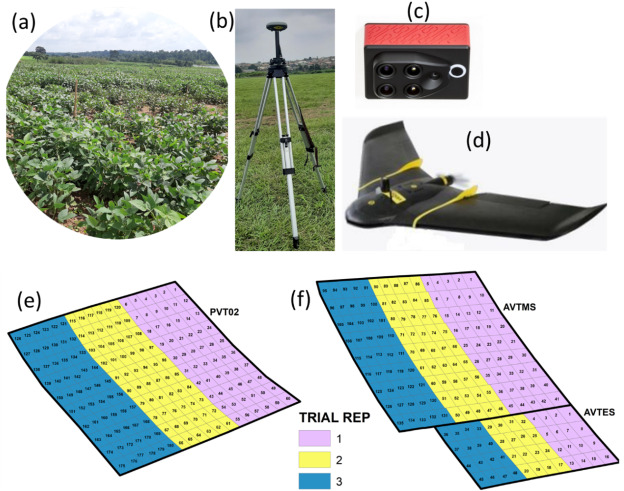
“Estimation of soybean grain yield from …” from www.sciencedirect.com and used with no modifications.
Combining smart irrigation with precision agriculture tools creates a comprehensive approach to modern farming that maximizes efficiency and sustainability. This integration allows farmers to use data from various sources to make informed decisions about resource allocation, leading to better crop yields and reduced environmental impact.
How Technologies Work Together
Smart irrigation systems and precision agriculture tools work together seamlessly to enhance farming efficiency. For instance, moisture sensors provide real-time data on soil conditions, which can be used to adjust irrigation schedules and ensure optimal water use. GPS-enabled machines can then use this data to guide planting and harvesting, optimizing resource use and reducing waste.
Furthermore, drones and satellite imagery offer a bird’s-eye view of the farm, allowing farmers to monitor crop health and identify areas that may require additional attention. This comprehensive approach ensures that all aspects of the farming process are optimized, leading to higher yields and more sustainable practices.
Challenges and Solutions in Implementing Smart Irrigation in Soybean Farms
Despite the numerous benefits of smart irrigation and precision agriculture, there are challenges that farmers may face when implementing these technologies. High initial costs, technological barriers, and the need for training and support are some of the obstacles that must be addressed to ensure successful adoption.
Overcoming Financial and Technological Barriers
One of the primary challenges in adopting smart irrigation systems and precision agriculture tools is the high initial cost. However, the long-term benefits, such as increased yields and reduced resource usage, often outweigh these initial expenses. To help farmers overcome financial barriers, governments and agricultural organizations can provide subsidies, grants, and low-interest loans.
Technological barriers, such as the complexity of the systems and the need for reliable internet connectivity, can also hinder adoption. Providing farmers with access to user-friendly technology and improving rural internet infrastructure can help address these issues.
Training and Support for Farmers
Training and support are crucial for the successful implementation of smart irrigation and precision agriculture technologies. Farmers need to understand how to use these tools effectively to maximize their benefits. Offering workshops, online resources, and technical support can help farmers develop the necessary skills and knowledge.
Furthermore, creating a network of experienced farmers who can share their knowledge and experiences with others can foster a community of learning and support. This collaborative approach can help overcome the challenges associated with adopting new technologies and ensure successful integration into modern farming practices.
The Future of Soybean Farming with Advanced Technology
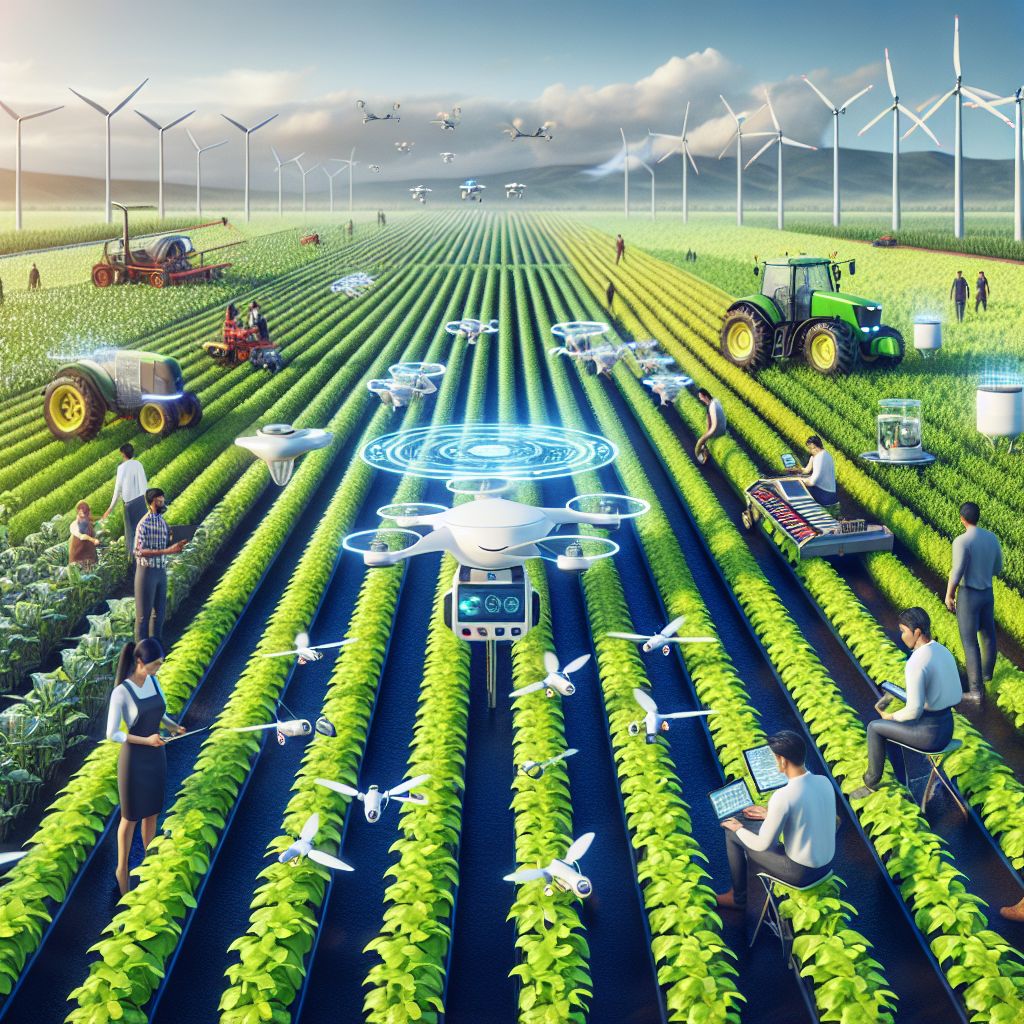
The future of soybean farming lies in the continued integration of advanced technologies. As smart irrigation systems and precision agriculture tools become more accessible and affordable, more farmers will be able to adopt these practices, leading to more efficient and sustainable farming operations.
Emerging technologies, such as artificial intelligence and machine learning, have the potential to further enhance precision agriculture by providing even more accurate data and predictive analytics. By embracing these innovations, farmers can continue to improve their practices and ensure a sustainable future for agriculture.
Trends in Digital Transformation of Agriculture
Digital transformation in agriculture is not just a trend; it’s becoming the norm. Farmers worldwide are increasingly adopting digital tools to enhance productivity and sustainability. This shift is driven by the need to address challenges such as climate change, resource scarcity, and the growing demand for food. As technology advances, it provides farmers with more sophisticated tools to monitor and manage their operations efficiently.
One significant trend is the use of big data and analytics to make informed decisions. By collecting and analyzing vast amounts of data from various sources, farmers can gain insights into crop health, soil conditions, and weather patterns. This information allows them to optimize their farming practices and improve yields. Additionally, the use of mobile applications and cloud-based platforms is making it easier for farmers to access and manage data from anywhere.
Potential Innovations and Developments
The future of agriculture looks promising, with several innovations on the horizon. One such development is the use of artificial intelligence (AI) and machine learning to enhance precision agriculture. These technologies can analyze complex data sets and provide predictive insights, helping farmers make better decisions about planting, irrigation, and pest management.
Another exciting development is the advancement of autonomous farming equipment. Self-driving tractors and drones equipped with AI can perform tasks such as planting, watering, and monitoring crops with minimal human intervention. This not only reduces labor costs but also increases efficiency and accuracy.
Moreover, blockchain technology is being explored for its potential to improve supply chain transparency and traceability. By providing a secure and transparent record of every transaction, blockchain can help ensure the authenticity and quality of agricultural products, benefiting both farmers and consumers.
For more guides on Irrigation Controllers, visit the Aguafox irrigation controllers for soybean farms hub.
Soybean Smart Irrigation Integration FAQs

How does smart irrigation improve soybean farming efficiency?
Smart irrigation systems improve soybean farming efficiency by delivering the right amount of water to crops at the right time. This precision reduces water waste, lowers costs, and promotes healthier plants. By using sensors to monitor soil moisture levels, farmers can ensure that their crops receive the optimal amount of water, leading to higher yields and reduced environmental impact.
What are the main precision agriculture tools used in soybean cultivation?
The main precision agriculture tools used in soybean cultivation include moisture sensors, GPS-enabled machines, drones, and satellite imagery. Moisture sensors provide real-time data on soil conditions, while GPS-enabled machines optimize planting and harvesting patterns. Drones and satellite imagery offer valuable insights into crop health and growth, enabling farmers to make informed decisions about resource allocation.
What challenges do farmers face when integrating these technologies?
Farmers face several challenges when integrating smart irrigation and precision agriculture technologies. High initial costs, technological complexity, and the need for reliable internet connectivity can hinder adoption. Additionally, farmers may require training and support to effectively use these tools. Overcoming these challenges requires financial assistance, improved infrastructure, and access to educational resources.
Can small-scale farms benefit from smart irrigation systems?
Yes, small-scale farms can benefit from smart irrigation systems. While the initial investment may be higher, the long-term benefits, such as increased yields and reduced resource usage, can outweigh the costs. Smart irrigation systems can help small-scale farmers optimize water use, reduce waste, and improve crop health, leading to more sustainable and profitable operations.
In conclusion, the integration of smart irrigation systems with precision agriculture tools is transforming soybean farming. By leveraging advanced technologies, farmers can optimize resource use, increase yields, and promote sustainability. While challenges exist, the potential benefits of these innovations make them a worthwhile investment for the future of agriculture.





Leave a Reply